
Spark vs. Invisalign: Which Clear Aligner Is Actually Better?
Spark vs. Invisalign: Which clear aligner is actually better for you? Compare costs, comfort, and results. Book your smile consultation in Richmond today!
Read More

Cosmetic Dentistry, Teeth Straightening
Medically Reviewed by Dr. Ali Tameemi
Invisalign uses patented materials and biomechanical tools that cheaper clear aligners simply don't have, making it capable of treating more complex cases with greater predictability. Understanding what separates the technology — not just the brand name — helps you make a smarter orthodontic decision.
Most people assume every clear aligner is made from the same basic medical-grade plastic. For Richmond-area patients, that assumption is one of the most expensive mistakes in orthodontics.
Invisalign uses a patented multilayer polymer called SmartTrack. According to Healthline, the aligner material is a flexible thermoplastic named SmartTrack, specifically engineered to apply consistent, controlled force across the entire surface of your tooth. Generic aligner plastics are rigid. Rigid plastics can only "tip" the crown of a tooth — they push the visible part sideways without moving the root beneath it. That creates teeth that look straighter in photos but have unstable roots that relapse quickly once treatment ends.
Invisalign also uses SmartForce attachments — small tooth-colored composite "buttons" bonded directly to specific teeth during treatment. These attachments act as handles, giving the aligner a precise grip point to physically rotate roots, not just tilt crowns. Without attachments, torquing a canine root or correcting a rotated premolar is biomechanically impossible with a removable tray alone.
Cheaper direct-to-consumer brands skip attachments entirely. That keeps their process simple and mail-order friendly, but it means they're limited to minor cosmetic shuffling of front teeth. If your case involves anything beyond mild crowding, those trays are moving teeth in ways that look acceptable on the surface while leaving root positions — and your long-term bite stability — largely untouched.
This distinction matters enormously for retention. When roots are properly repositioned, teeth are far less likely to drift back. When only crowns are tipped, relapse is almost guaranteed without indefinite retainer use.
Budget aligner brands frequently market around the "social six" — the front six teeth visible when you smile. It's an appealing pitch. Fix what people see, skip what they don't.
The problem is that orthodontics doesn't work in isolation. Your back molars are what establish your bite. When treatment focuses exclusively on moving front teeth without monitoring how upper and lower molars fit together, you risk developing a posterior open bite — a condition where your front teeth look aligned but your back teeth no longer make proper contact when you chew.
Cleveland Clinic explains that braces and aligners correct a wide range of issues including bite alignment, not just cosmetic appearance — and that proper alignment directly reduces the risk of chewing dysfunction and jaw problems. A posterior open bite can cause jaw pain, TMJ dysfunction, and significant difficulty eating. Fixing it after the fact typically requires full dental braces or even surgical intervention.
Invisalign treatment delivered in-person by a trained provider includes regular occlusal checks — appointments where your dentist physically evaluates how your teeth are coming together, not just how they look. That in-person oversight is what catches bite drift before it becomes a structural problem.
Skipping that clinical layer to save money upfront is a gamble. The retreatment bill for correcting aligner-induced bite damage routinely exceeds what comprehensive Invisalign treatment would have cost originally. AAPD emphasizes the importance of professional oversight in orthodontic treatment to ensure safe and effective outcomes for patients of all ages.
Teeth don't always move exactly the way a computer simulation predicts. That's not a flaw — it's biology. Bone density, gum health, wear habits, and compliance all influence how teeth track against a planned trajectory.
When tracking goes off-plan, you need refinements: a new set of trays calculated from your current tooth positions to get back on course. A Healthline overview of Invisalign notes that insurance and financial planning are key considerations — but what it doesn't fully capture is the refinement gap between premium and budget aligner systems.
Invisalign's Comprehensive tier includes unlimited refinement trays and mid-course corrections for up to five years at no additional charge. If your teeth track poorly at month eight, your provider orders new trays. No surprise invoice. No negotiation. To learn more about when refinements are needed with Invisalign trays, our team can walk you through what to expect during your consultation.
Budget competitors typically operate on a pay-per-tray or pay-per-refinement model. Each correction costs extra. Patients who started treatment expecting a fixed total often find themselves hundreds more into a case that still isn't finished.
Healthline's comparison of invisible braces brands notes that committing to an untrustworthy brand can cost money and time and may shift teeth in unwanted directions — a real risk when there's no clinical oversight built into the model.
The five-year refinement safety net is one of the most underappreciated financial protections in orthodontics. It converts an unpredictable biological process into a fixed treatment commitment.
Invisalign isn't the right answer for every patient — and a good provider will tell you that honestly. For very mild spacing issues, simpler aligner options may deliver acceptable results.
But for anyone dealing with moderate crowding, bite correction, rotated teeth, or overbite issues, the clinical gap between Invisalign and cheaper alternatives widens significantly. Healthline's overview of Invisalign for overbites confirms that Invisalign can address overbites effectively, with treatment duration shaped by case complexity and daily wear compliance.
Adults who want discreet treatment without sacrificing clinical precision, patients with bite concerns beyond cosmetic alignment, and anyone whose case involves rotation or root movement are the clearest candidates for Invisalign over budget alternatives. Those exploring other discreet orthodontic options may also want to read about what to expect during lingual braces treatment to compare approaches.
The choice isn't really about brand loyalty. It's about matching the tool to the problem. When the problem is complex, the tool needs to be capable.
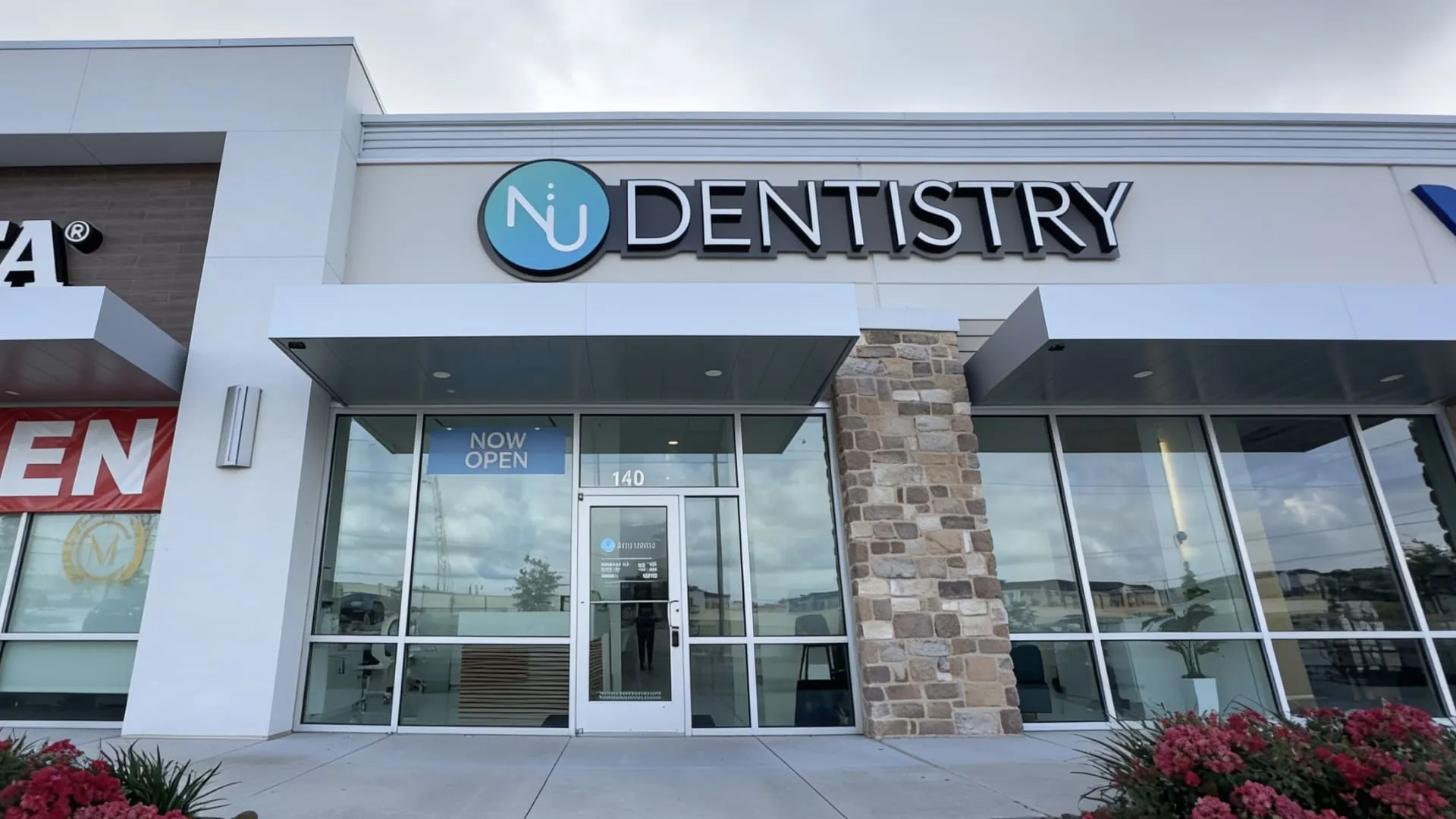
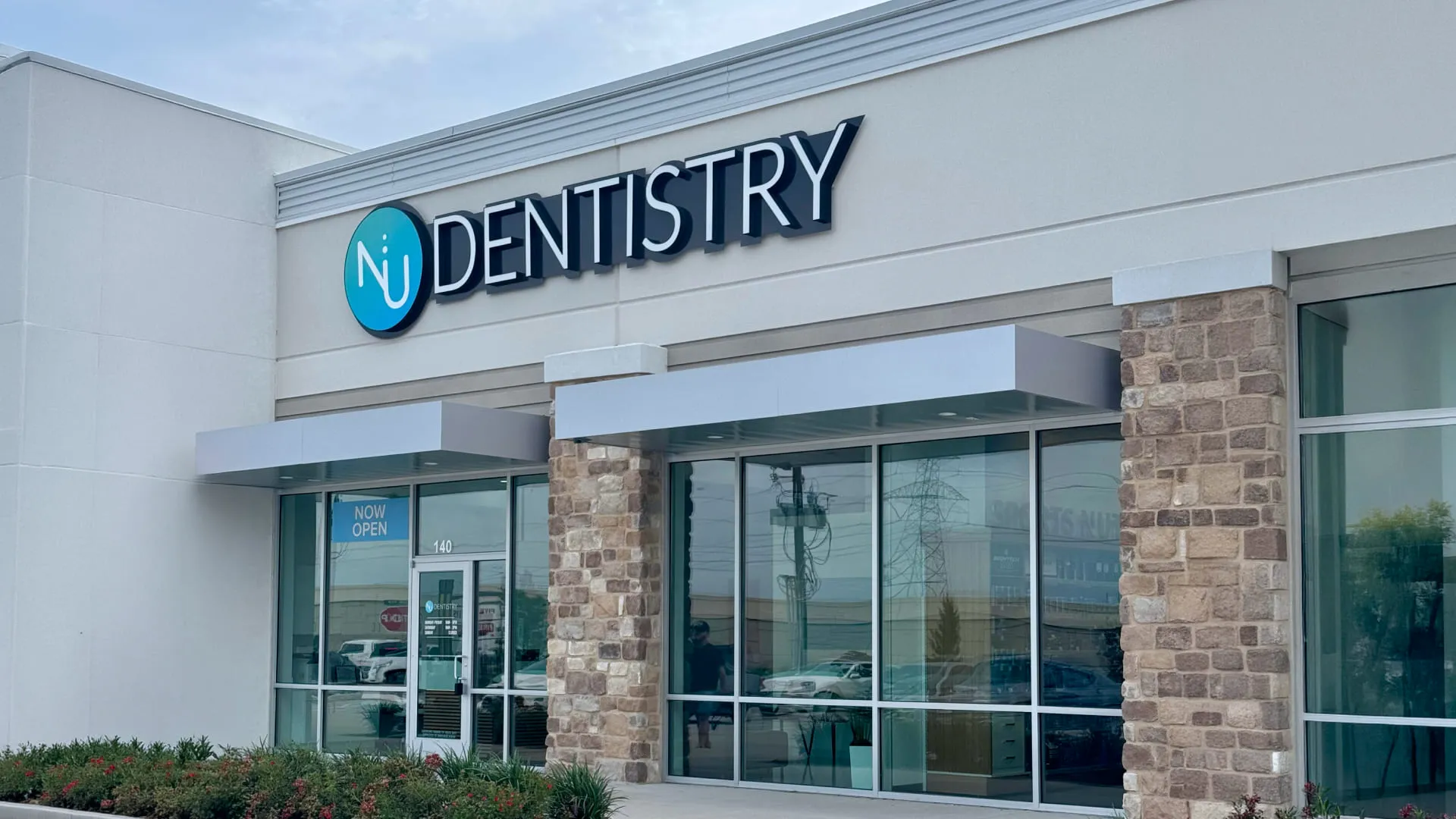
Nu Dentistry Richmond serves patients throughout Richmond, Texas and the Greater Houston area with in-person Invisalign consultations. Our team can evaluate your specific case, explain what level of treatment your teeth actually need, and help you understand which options will deliver lasting results — not just a temporary cosmetic fix. Check out our dental offer to get started, and reach out today to schedule your consultation.
Medical disclaimer: This article is intended for informational purposes only and does not constitute medical or dental advice. Always consult a licensed dental professional for diagnosis and personalized treatment recommendations.


Tuesday 9-6pm
Thursday 9-6pm
Saturday 9-2pm
11115 W Grand Parkway S, Suite 140, Richmond, TX 77407
5706 San Felipe St Ste B-300, Houston, TX 77057
23227 Gosling Rd., Suite B, Spring, TX 77389
8940 Barker Cypress Rd., Cypress, TX 77433
3201 N. Shepherd Dr. Suite 113, Houston, TX 77018
8145 Highway 6, Building B #200, Missouri City, TX 77459
PATIENT TESTIMONIALS Richmond, TX
What People Are Saying After Visiting Us


CARING DENTISTS Richmond, TX
OUR SOCIALS
Check Us Out and Follow Our Social Media Accounts