
Spark vs. Invisalign: Which Clear Aligner Is Actually Better?
Spark vs. Invisalign: Which clear aligner is actually better for you? Compare costs, comfort, and results. Book your smile consultation in Richmond today!
Read More

Cosmetic Dentistry, Teeth Straightening
Medically Reviewed by Dr. Ali Tameemi
Both Invisalign and traditional braces can deliver excellent results, but the right choice depends on your specific tooth movements needed, your lifestyle, and case complexity. Some movements — like root torque — are mechanically harder for aligners to achieve, which matters more than most people realize.
Most articles tell you braces are better for complex cases. Few explain the mechanical reason why. For Richmond-area patients, understanding these mechanics helps in choosing the right treatment path.
Braces move teeth in three dimensions. The wire-and-bracket system creates leverage that physically drives the root through the jawbone — a movement called root torque. This matters enormously for patients with severe crowding, significant overbites, or teeth that need to be uprighted properly in the bone.
Aligners primarily work by "tipping" the crown — the visible part of the tooth — toward its target position. The root follows, but less predictably. Extrusion (pulling a tooth upward), severe rotation, and precise root paralleling are movements where aligners statistically struggle compared to traditional brackets.
Research published in PMC comparing self-ligating braces to Invisalign found statistically significant differences in transverse arch width and arch perimeter outcomes, with braces producing superior dento-alveolar changes. These aren't cosmetic differences — they affect how stable your final bite actually is.
A tooth that looks straight but has an improperly positioned root is structurally weaker and more prone to relapse. This is why orthodontists often reserve Invisalign for mild-to-moderate cases, while recommending dental braces when root position is critical.
That said, Invisalign technology has advanced significantly. With attachments — small tooth-colored bumps bonded to teeth — and precision cuts, modern aligners can achieve movements that were once impossible. For mild to moderate malocclusions, a Healthline overview on Invisalign notes that aligners can handle crowding, spacing issues, and some bite corrections effectively. The key word is appropriate case selection.
Here's a risk almost no consumer-facing article addresses: using poorly monitored aligners to fix a bite issue can create a different bite problem called a posterior open bite.
Because aligner trays cover the entire biting surface of your teeth, they act like a thin plastic platform between your upper and lower molars. Over extended treatment, this can inadvertently depress the molars into the jaw — meaning your back teeth no longer touch properly when treatment ends. The result? Difficulty chewing, jaw joint stress, and expensive corrective treatment.
This risk is most pronounced with direct-to-consumer aligners that lack in-person monitoring. Without regular clinical checks, nobody catches the early signs of bite separation.
When Invisalign is delivered by a trained provider, this risk is managed through elastics (rubber bands connecting upper and lower arches) and strategically placed attachments that ensure the arches mesh together throughout treatment. The difference between supervised and unsupervised aligner therapy isn't just a technicality — it determines whether your bite gets better or worse.
For bite-related corrections specifically, the ADA reports that orthodontists widely recognize braces as offering greater control and precision — something increasingly relevant as patients seek treatment for more than cosmetic alignment. If you're curious about what to expect during lingual braces treatment in Richmond TX, that's another option worth exploring with your provider.
Invisalign's removability is its biggest selling point. It's also where most people underestimate the commitment involved.
The 22-hour daily wear rule is firm. What that leaves is two hours — total — for eating, drinking anything other than water, brushing, and flossing. Every meal, every coffee, every snack triggers a removal-and-hygiene cycle that takes 10–15 minutes when done properly. For a "grazer" or a coffee drinker who nurses a cup for an hour, those minutes accumulate fast.
Consider three common patient profiles:
The constant coffee drinker. Wearing aligners while drinking coffee stains the trays and traps acidic liquid against enamel. Removing them means a hygiene cycle before reinsertion. If you drink coffee twice daily over extended sittings, you may already be breaking the 22-hour rule regularly.
The corporate presenter. Aligners can cause a temporary lisp, particularly with "s" and "sh" sounds. For someone presenting to clients weekly, this friction is real — though most patients adapt within a few weeks.
The athlete. Contact sport athletes need mouthguards. Wearing aligners simultaneously is uncomfortable and potentially unsafe. Removing aligners during practice counts against your daily wear time.
For these profiles, the "permanent" nature of braces is genuinely lower maintenance. No removal, no hygiene cycles between meals, no tracking wear hours. The Orthodontists similarly note that braces require less day-to-day discipline from patients since there is no removable component to manage.
A comparative study in PMC found Invisalign averaged 18 months of treatment versus 24 months for braces — a meaningful difference, but only if compliance is consistent. Inconsistent wear erases that advantage entirely. Understanding when refinements are needed with Invisalign trays in Richmond TX is another important part of staying on track with your treatment.
For patients who are highly disciplined, aesthetics-focused, and have mild-to-moderate alignment needs, Invisalign is genuinely excellent. For patients managing complex movements, bite correction, or lifestyle factors that complicate compliance, braces deliver more predictable outcomes with less daily management.
Neither option is universally better. The honest answer is that the best choice depends on your specific tooth movements, your daily habits, and how complex your case actually is.
Braces offer mechanical advantages for root torque, arch expansion, and severe malocclusions. Invisalign offers real advantages in comfort, gum health — a PMC study on gingival parameters found Invisalign patients showed better periodontal health during treatment — and discretion for adults in professional settings. For patients also considering appearance-focused solutions, aesthetic dentistry options can complement orthodontic treatment once alignment is complete.
The decision should be made with a provider who evaluates both options honestly rather than defaulting to one.
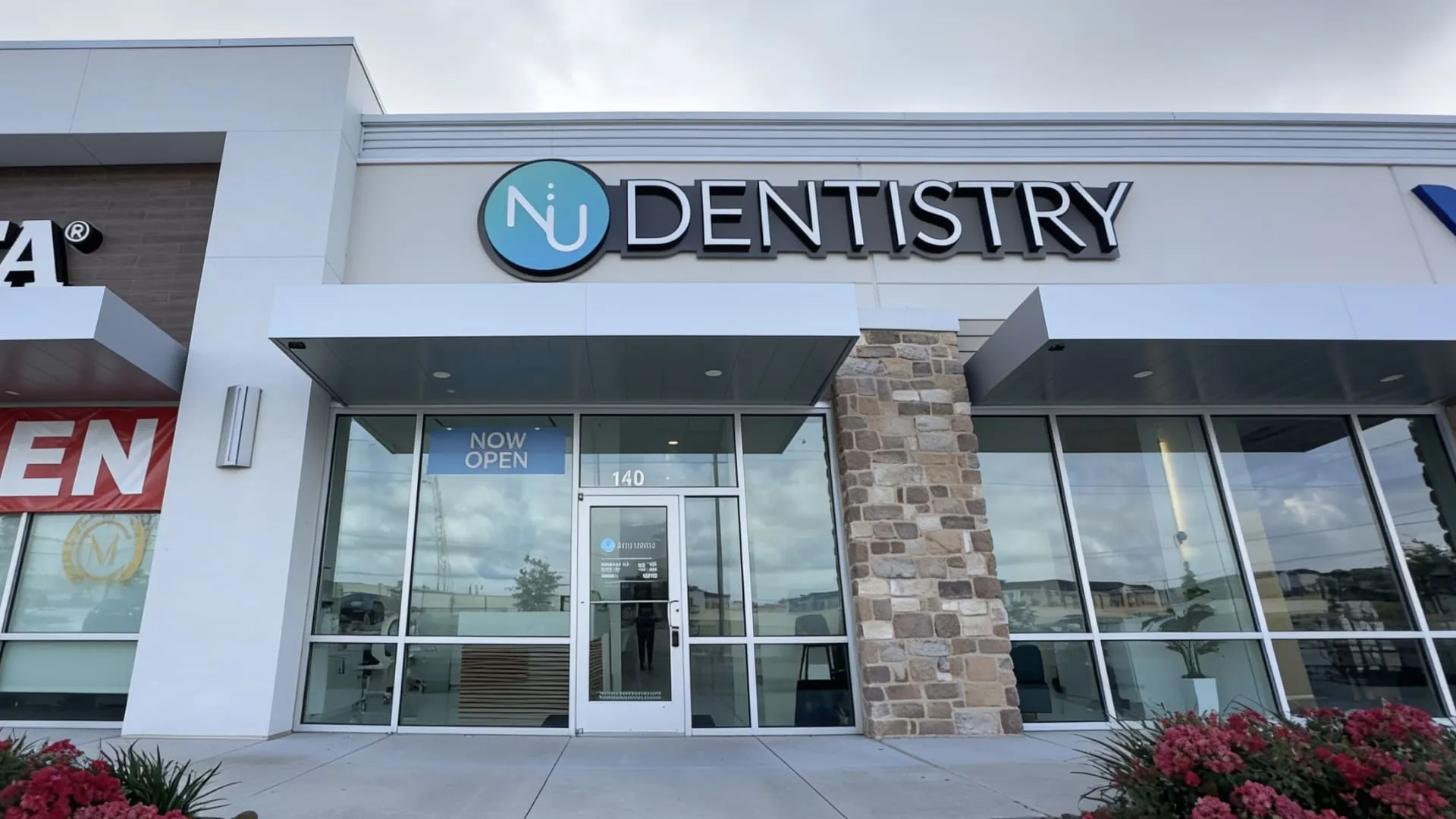
At Nu Dentistry Richmond, our team helps Richmond, Texas patients navigate exactly this decision — without pressure toward one option or the other. Whether you're dealing with crowding, bite issues, or simply want a straighter smile, a proper evaluation makes all the difference.
Book a consultation with us today and get a clear picture of what your smile actually needs. Check out our dental offer to get started with savings on your first visit.
Medical disclaimer: This article is intended for informational purposes only and does not constitute professional dental or medical advice. Always consult a qualified dental provider for diagnosis and treatment recommendations specific to your situation.



Tuesday 9-6pm
Thursday 9-6pm
Saturday 9-2pm
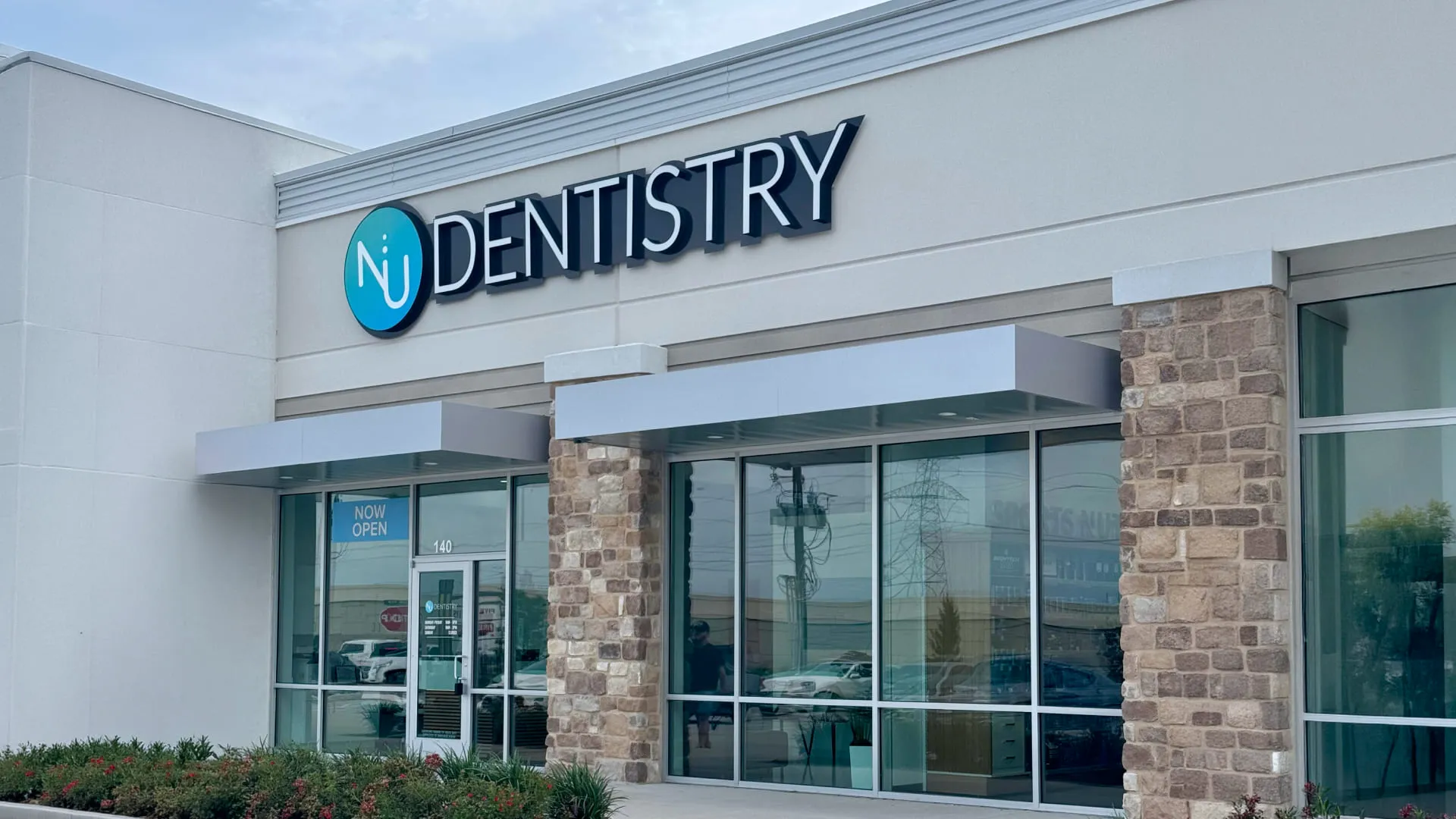
11115 W Grand Parkway S, Suite 140, Richmond, TX 77407
5706 San Felipe St Ste B-300, Houston, TX 77057
23227 Gosling Rd., Suite B, Spring, TX 77389
8940 Barker Cypress Rd., Cypress, TX 77433
3201 N. Shepherd Dr. Suite 113, Houston, TX 77018
8145 Highway 6, Building B #200, Missouri City, TX 77459
PATIENT TESTIMONIALS Richmond, TX
What People Are Saying After Visiting Us


CARING DENTISTS Richmond, TX
OUR SOCIALS
Check Us Out and Follow Our Social Media Accounts