
Spark vs. Invisalign: Which Clear Aligner Is Actually Better?
Spark vs. Invisalign: Which clear aligner is actually better for you? Compare costs, comfort, and results. Book your smile consultation in Richmond today!
Read More

Cosmetic Dentistry, Teeth Straightening
Medically Reviewed by Dr. Ali Tameemi
Veneers can mask gaps and bite issues cosmetically, but they don't correct the underlying dental structure — and in some cases, they accelerate long-term damage. Dental braces address root causes while preserving your natural tooth enamel. Understanding the biomechanical and biological differences helps you make a smarter choice.
For Richmond-area patients, veneers look like an elegant shortcut. One or two appointments, no wires, instant results. But for patients with overbites or significant gaps, that shortcut carries real structural risks most marketing doesn't mention.
The overbite problem: shear forces porcelain wasn't built for
When you have an overbite, your lower front teeth strike the back (lingual) surface of your upper teeth with every chew and swallow. This creates lateral shearing forces — a sliding, grinding motion. Porcelain veneers are engineered to handle compressive loads, not shear loads. Place a veneer over an uncorrected overbite and you're essentially bonding ceramic to a tooth that's being repeatedly scraped from behind. The result: chronic debonding, ceramic chipping, and over time, TMJ strain as your jaw compensates for the misaligned bite. Braces eliminate the destructive force at its source by repositioning teeth so the bite closes correctly. Veneers simply cover the tooth while the damaging collision continues underneath.
The gap problem: over-contouring and gum health
Closing a wide diastema (gap) with veneers alone forces a ceramist to dramatically widen each tooth. For gaps beyond a couple of millimeters, this creates what's called a bulbous emergence profile — an unnatural ledge where the veneer meets the gumline. That ledge traps plaque. Patients often develop chronic gingivitis around veneer-closed gaps that wouldn't exist if the gap were closed orthodontically. Braces move the roots into parallel alignment first, preserving the natural Golden Proportion of each tooth and keeping the gumline healthy. A Healthline overview of teeth-gap treatments notes that braces benefit people with multiple gaps precisely because they move the entire arch — not just the visible surface.
For both overbites and gaps, the veneer question isn't just aesthetic. It's biomechanical.
Competitors focus on upfront comparisons. What rarely gets discussed is the biological timeline.
Traditional porcelain veneers require grinding down healthy enamel — typically around half a millimeter — to create a bonding surface. That enamel never grows back. As Healthline explains in its dental veneers guide, this makes the procedure irreversible.
Here's the compounding problem for younger patients. Veneers last roughly 10 to 15 years on average. A patient who gets veneers at 25 will likely need replacement around 40, again around 55, and potentially again at 70. Each replacement cycle requires additional tooth preparation — removing more dentin because the previous veneer already consumed the enamel layer. By the third or fourth replacement, the underlying tooth structure is often too compromised for another veneer. The tooth may then require a crown, a root canal, or eventually extraction.
Braces, by contrast, move teeth without removing any tooth structure. The biological cost is one-time. Once teeth are properly aligned, that alignment is preserved with a retainer — no escalating cycle of structural removal.
This isn't an argument that veneers are never appropriate. For a patient in their 50s with stable bite mechanics and minor cosmetic concerns, veneers may be a perfectly reasonable choice. But for a patient under 35 using veneers to avoid braces, the long-term enamel debt is a serious consideration that deserves an honest conversation with a dentist.
Dentists don't universally advise against veneers. They advise against veneers in specific circumstances — and those circumstances are common enough that they're worth knowing.
Active gum disease or bone loss. According to WebMD's oral health resource, veneers are applied to the front surface of teeth, meaning any underlying gum disease continues to progress beneath them. Placing veneers over diseased tissue delays treatment and can worsen outcomes.
Insufficient enamel. If enamel is already thin or eroded, there may not be enough surface for a veneer to bond properly — increasing the risk of failure.
Unlicensed providers. The ADA has specifically warned the public about "veneer technicians" — unlicensed individuals offering veneer placement through social media. The ADA's public advisory states clearly that irreversible dental procedures must only be performed by licensed, trained dentists, citing risks of infection, nerve damage, and veneers placed over unhealthy teeth.
When veneers are appropriate. For patients with healthy gums, stable bite mechanics, and primarily cosmetic concerns — minor discoloration, small chips, slight asymmetry — veneers are a legitimate and durable option. Mouthhealthy.org from the ADA outlines the proper placement process and emphasizes color-matching and fit as part of quality care. Composite veneers can also address small gaps quickly and with minimal tooth preparation, making them a lower-commitment option for the right candidate.
The common thread in every caution: veneers are a cosmetic surface solution. When the underlying issue is structural — a misaligned bite, gum disease, bone loss, or a wide gap — addressing the structure first leads to better long-term outcomes.
Neither braces nor veneers are universally better. The right answer depends on your specific dental anatomy, age, bite mechanics, and goals.
Ask yourself — and your dentist — these questions:
For overbites and wide gaps, most dentists will recommend orthodontic treatment first — not because veneers aren't useful, but because correcting the bite and alignment creates a stable foundation. Veneers applied afterward, if still desired, perform far better on teeth that close correctly. If you're considering clear aligner therapy as an alternative to traditional braces, it's worth learning when refinements are needed with Invisalign trays to set realistic expectations for your treatment timeline.
If you're weighing braces against veneers for gaps, an overbite, or general smile concerns, the right starting point is an honest evaluation of your bite and gum health — not a sales pitch for either option.
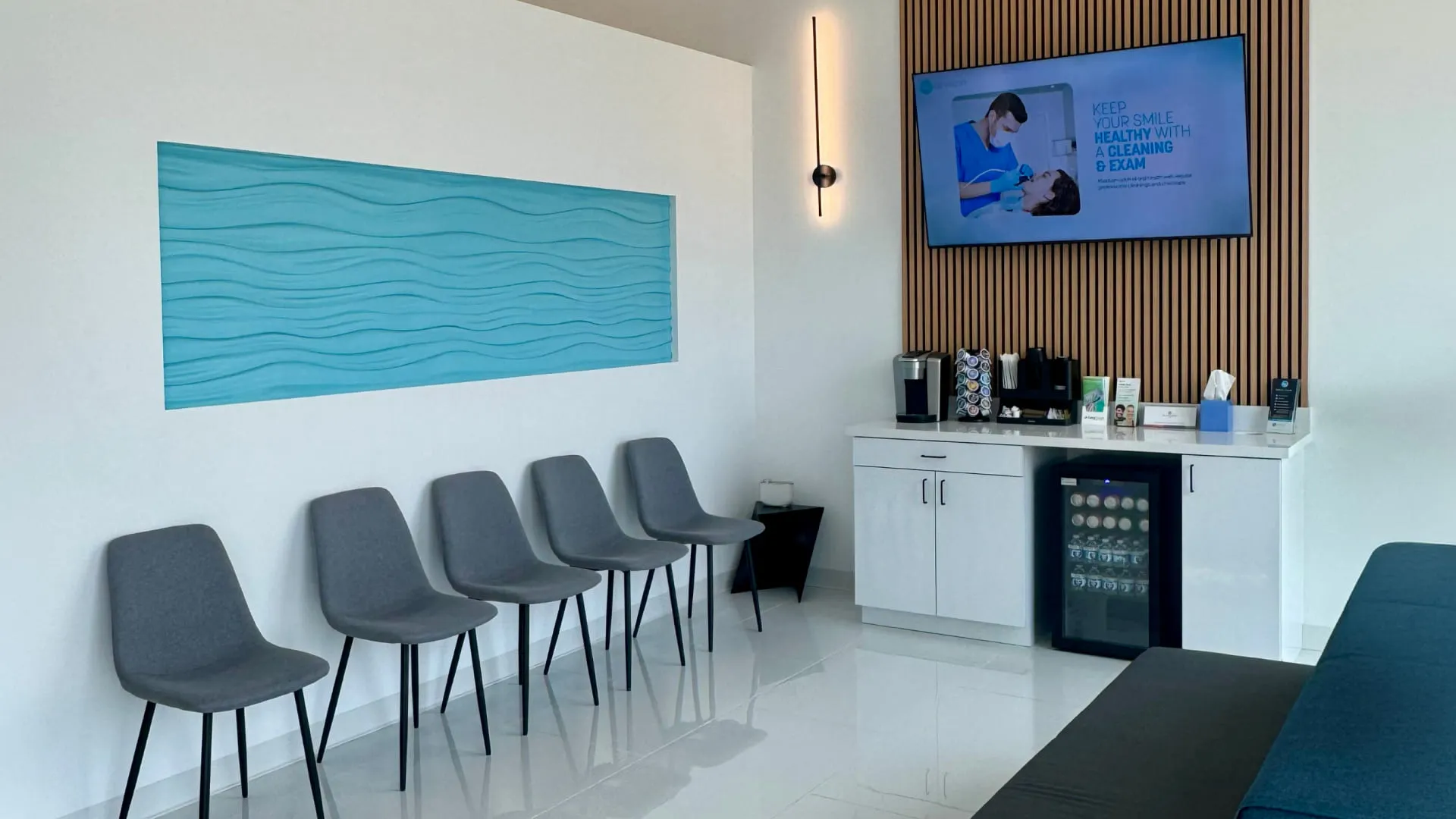
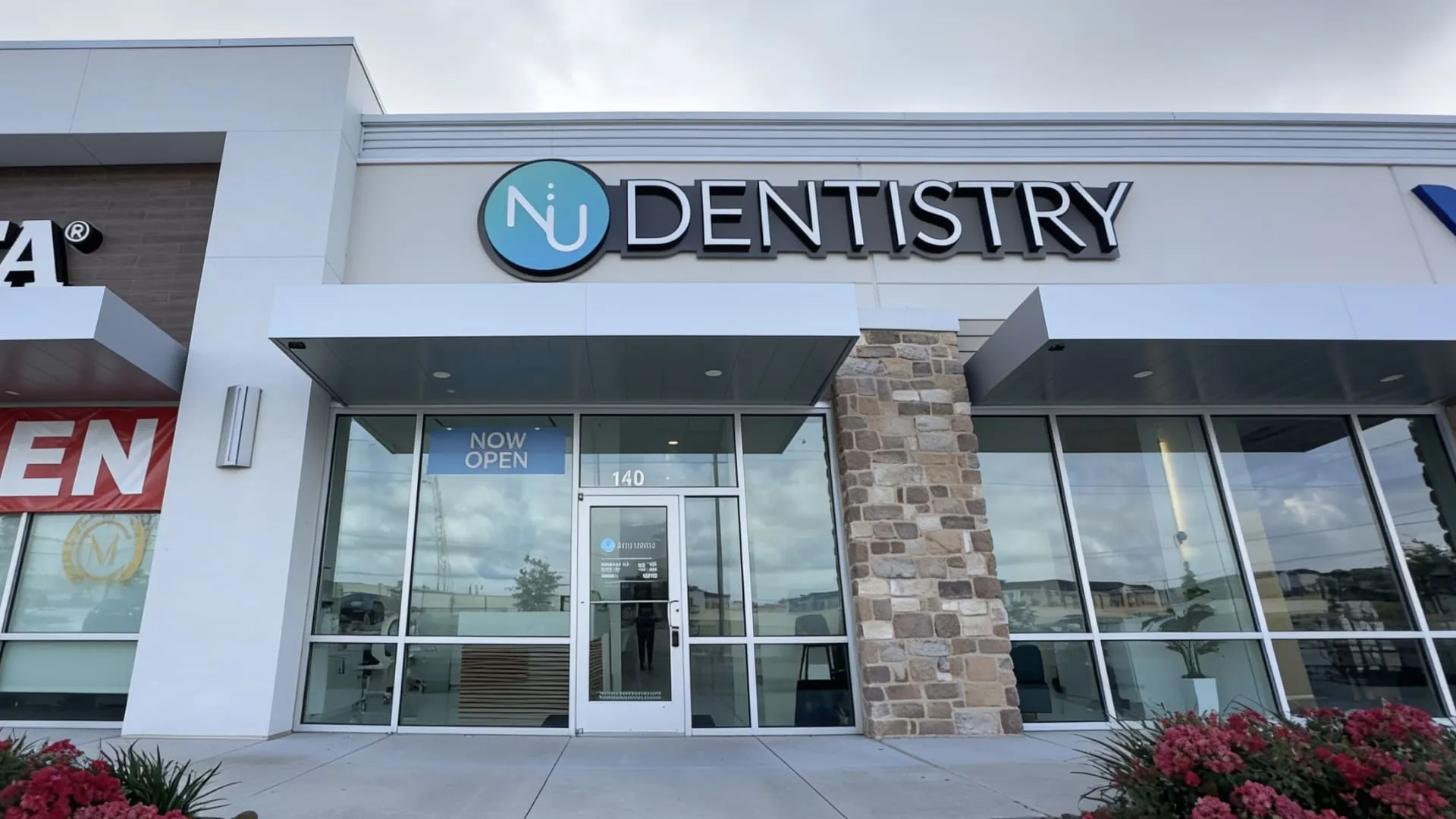
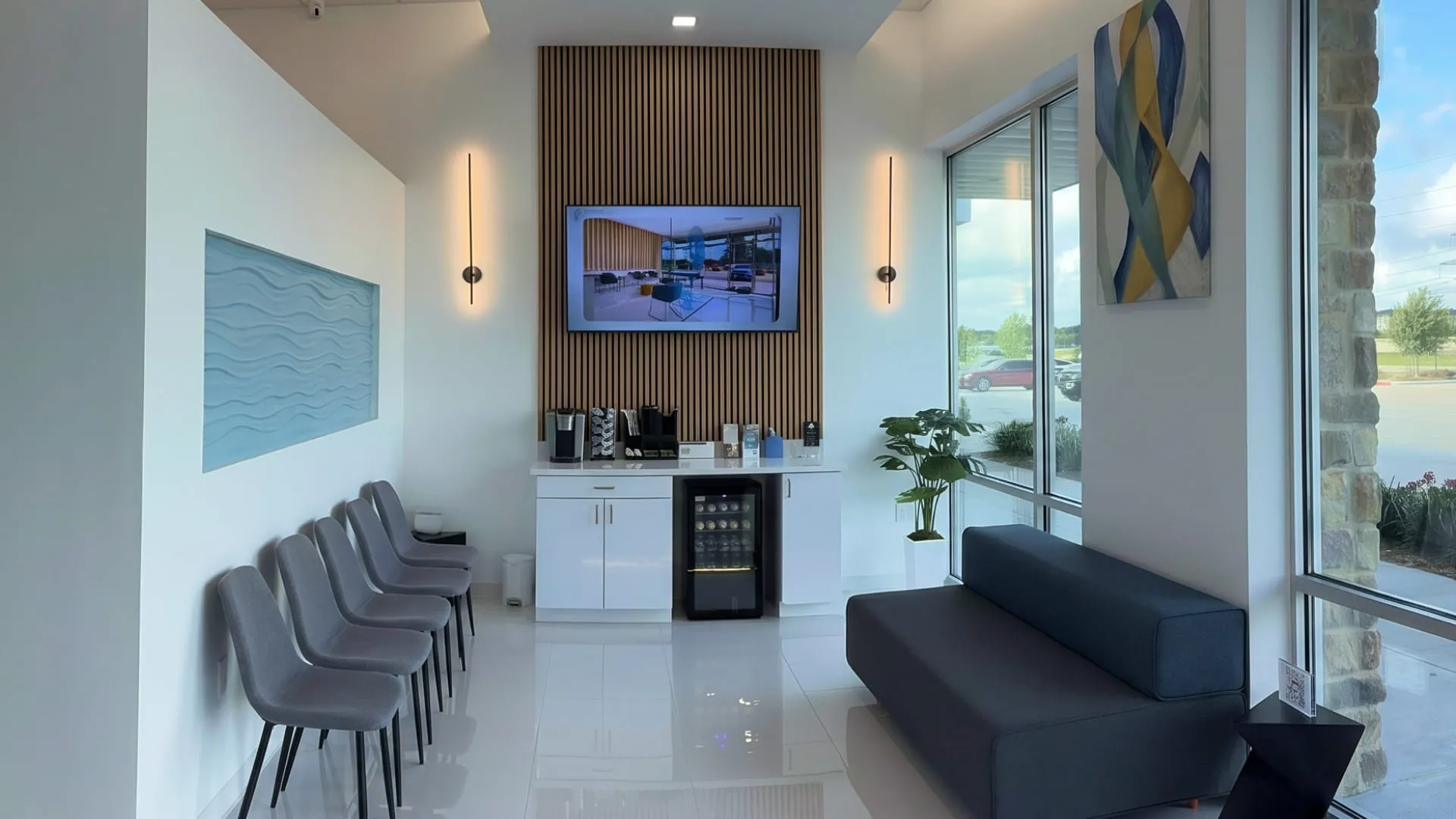
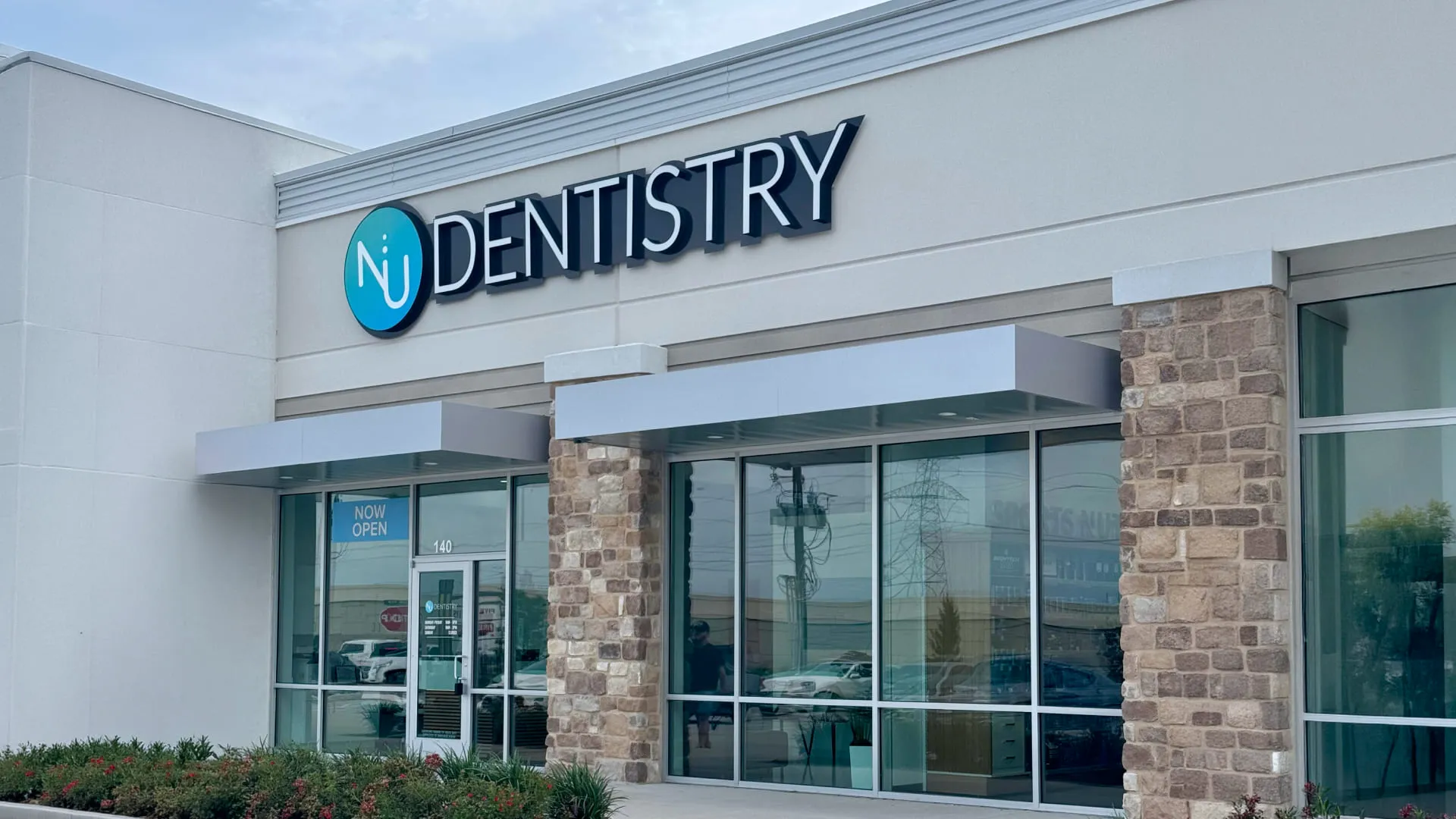
Nu Dentistry Richmond serves patients throughout Richmond, Texas and the Greater Houston area. Our team can walk you through what your specific dental anatomy actually calls for, so you're making a decision based on long-term health — not just short-term appearance. Check our dental offer to get started with a consultation today.
Medical disclaimer: This article is for informational purposes only and does not constitute professional dental or medical advice. Always consult a licensed dentist for diagnosis and treatment recommendations specific to your situation.





Tuesday 9-6pm
Thursday 9-6pm
Saturday 9-2pm
11115 W Grand Parkway S, Suite 140, Richmond, TX 77407
5706 San Felipe St Ste B-300, Houston, TX 77057
23227 Gosling Rd., Suite B, Spring, TX 77389
8940 Barker Cypress Rd., Cypress, TX 77433
3201 N. Shepherd Dr. Suite 113, Houston, TX 77018
8145 Highway 6, Building B #200, Missouri City, TX 77459
PATIENT TESTIMONIALS Richmond, TX
What People Are Saying After Visiting Us


CARING DENTISTS Richmond, TX
OUR SOCIALS
Check Us Out and Follow Our Social Media Accounts